
Remodeling ROI: Practical Choices for PA Homes
Why ROI matters — and why it’s not the whole story
When I talk with homeowners across Chester and Delaware County, the first question is usually: will this remodel pay off? That’s a fair question, but ROI isn’t only a resale calculation. Think of it as a combination of resale value, everyday livability, and how much the project improves your daily life. A good project returns benefit while avoiding choices that scare away buyers or create hidden costs down the road.
Start with clear goals
Before you pick finishes, answer two basic questions: are you remodeling to sell in the near future, or to live in and enjoy? Your answers should guide every decision you make. If you plan to sell in a year, focus on broad appeal and cost-effective updates. If you’re staying for years, invest where you get the most daily value—better workflow in the kitchen, a safer bathroom for aging in place, or a dry, comfortable basement.
Actionable step
- Walk every room and write two lists: "must fix" (safety, leaks, systems) and "nice to have" (cosmetics, layout changes).
- Use the lists to prioritize work and avoid spending on trendy items that won’t appeal broadly.
Local market matters: Chester & Delaware County tips
Homes in Chester County often have historic character—stone exteriors, traditional kitchens—while parts of Delaware County include older rowhomes and suburban houses. That means buyers here value authenticity, durable materials, and logical updates that respect a home’s style. Overly modern finishes in a colonial stone house can reduce appeal; a sympathetic update will add more perceived value.
Actionable step
- Match updates to neighborhood expectations. Look at similar nearby listings and note which features get attention.
- When in doubt, choose classic materials and neutral palettes that highlight the home’s strengths.
High-impact projects to prioritize
Certain projects tend to improve both daily life and marketability without being unnecessarily flashy. Prioritize these areas in this order: fixing structural or mechanical issues first; improving kitchens and bathrooms next; enhancing curb appeal and lighting; and finally, finishing or improving basement spaces if they meet local egress and moisture standards.
Actionable step
- Hire a home inspector or contractor for a short systems check—roof, HVAC, plumbing, and drainage. Repairing problems before cosmetic work protects value.
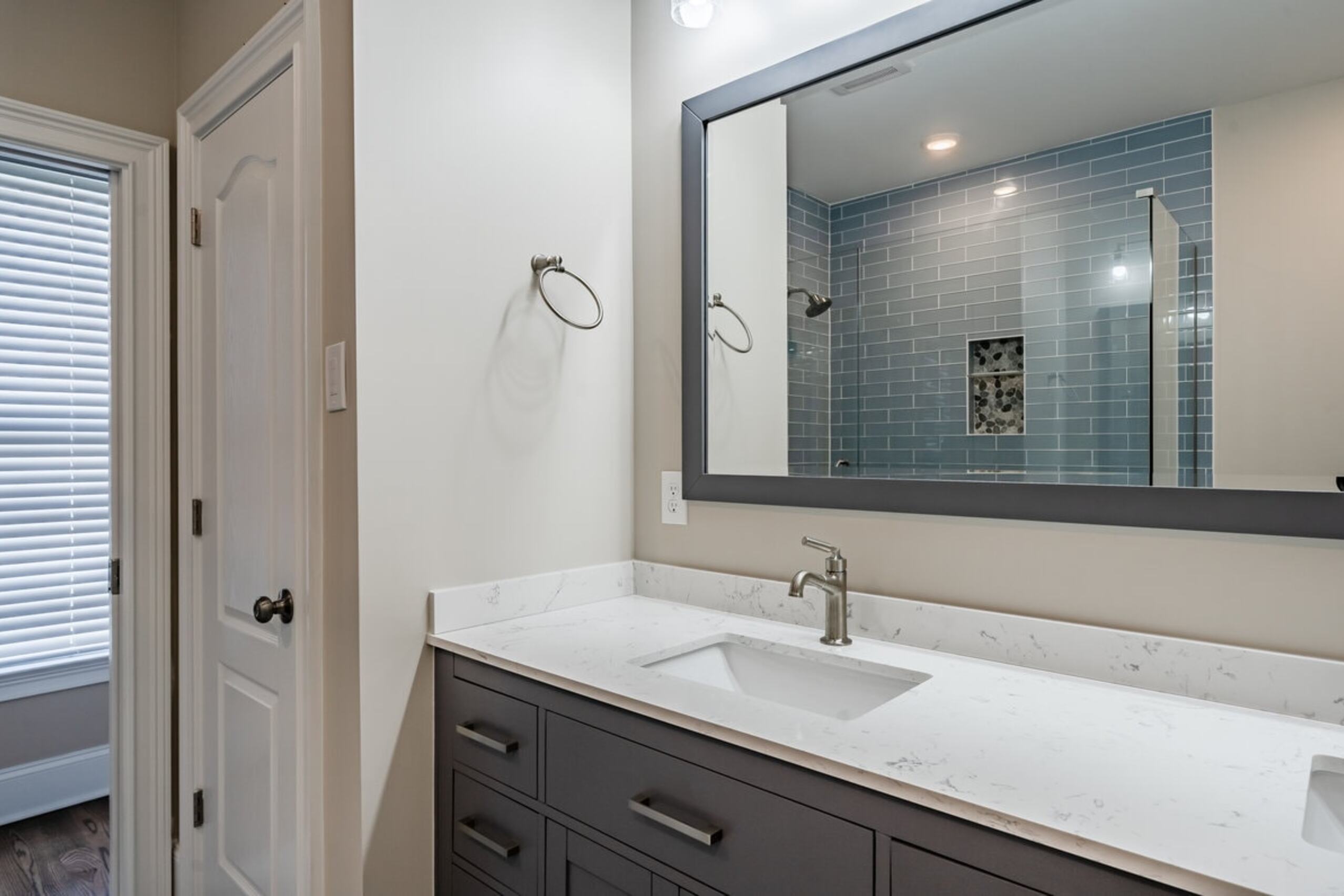
- In kitchens and baths, focus on improving function: better layout, durable cabinetry, reliable plumbing, and proper ventilation.
- Invest in curb appeal: a solid entry door, trimmed landscaping, and neat siding or porch repairs make a strong first impression.
Where to spend—and where to save
Spend on things buyers notice and that are costly to replicate: layout improvements, structural fixes, updated kitchens and baths, and modern mechanical systems. Save on finishes that are cosmetic and easy to change: paint, hardware, lighting, and appliance choices. Choosing midrange, durable materials often gives the best balance between cost and buyer appeal.
Actionable step
- Pick durable, neutral flooring and paint colors—these are inexpensive to maintain and appeal to many buyers.
- Spend on hardware and lighting upgrades only after addressing any foundational issues so the improvements aren’t masking problems.
Protecting your ROI during the project
Good planning preserves your budget and timeline. Get a clear scope from your contractor, understand permit requirements for your township in Chester or Delaware County, and build a contingency for surprises. Avoid mid-project scope creep: each change adds cost and can ripple through the schedule.
Actionable step
- Request a written scope, timeline, and payment schedule. Confirm who pulls permits and who is responsible for inspections.
- Keep change orders formal and understand their cost and time impacts before signing.
Working with a local builder
Local experience matters. I’ve been in the trade for 25+ years, and Craftsworth Construction (founded February 2017) has completed 427+ projects across kitchens, baths, and basements. We work with homeowners in Chester and Delaware County every week, so we understand local building departments, common home styles, and what buyers expect. As of an owner-confirmed Google snapshot on 2026-11-14, we have a 4.9-star rating from 37 Google reviews.
Actionable step
- Ask potential contractors for recent local references and examples of similar work.
- Confirm insurance, licensing if required for your township, and a clear warranty for work performed.
Final thought: the best ROI is the one that balances resale value with the way you and your family want to live. Plan with both in mind and you’ll be pleasantly surprised by the payoff.
If you want to talk specifics for a Chester or Delaware County home—layout options, sensible upgrades, or a reality check on returns—reach out. We’re open Monday–Saturday 8 AM–5 PM and Sunday 10 AM–3 PM, and happy to walk through choices with you. — Matt Morton, Craftsworth Construction