
Mid‑Century Modern: Practical Home Updates
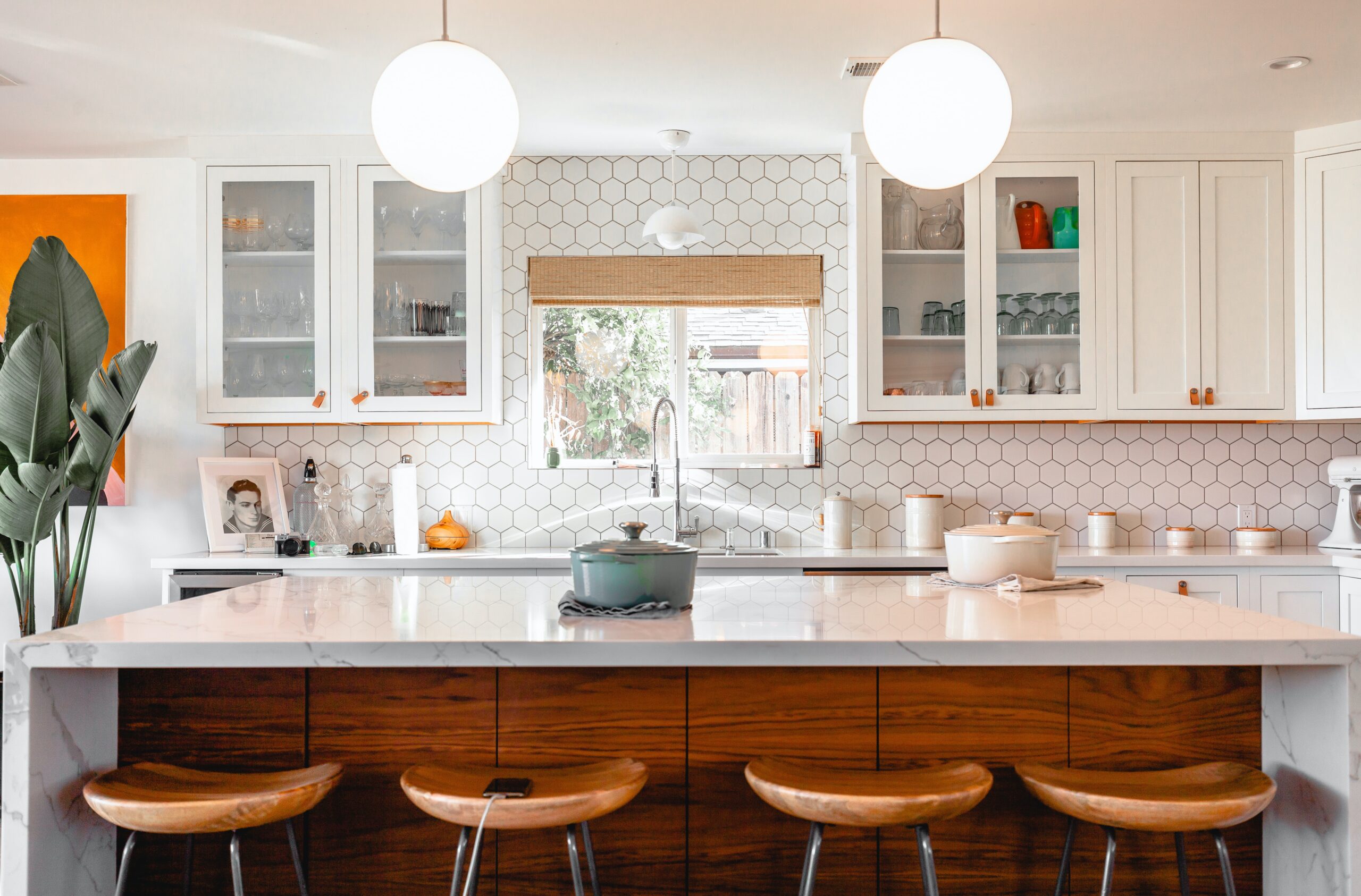
Illustrative stock photo—not a Craftsworth Construction project. Photo by Roam In Color on Unsplash.
Why mid-century modern still works for Chester County homes
As someone who's been in the trades for over 15 years, I see the appeal of mid-century modern (MCM) every day: clean lines, natural wood tones, and functional layouts that feel uncluttered. In Chester and Delaware County, a lot of homes—ranch, split-levels, and post-war suburban builds—lend themselves naturally to MCM updates. The goal isn't to recreate a museum piece; it's to blend MCM character into a home that functions for your family now.
Start with the bones: layout and flow
Before picking a paint color or buying a globe pendant, look at how you use the space. MCM is all about function. Open sightlines, simple circulation, and minimizing unnecessary partitions are core principles. For many local homes that means:
- Knocking down a non-load-bearing wall between kitchen and living area to create a visual connection (we'll secure permits and temporary supports for load-bearing work).
- Re-working kitchen workflow so prep, cook, and cleanup zones are efficient—think slab-front cabinets on the cook wall and a dedicated cleanup sink near plumbing runs.
- Adding a half-wall or floating shelving instead of a full-height divider to maintain light and flow.
Materials that read mid-century but perform today
Authentic mid-century homes used wood veneers, terrazzo, and laminate. Today you can get that aesthetic with modern products that stand up to Chester County weather and everyday use:
- Floors: Engineered hardwood in walnut tones or wide-plank oak for living spaces; LVP (luxury vinyl plank) for busy kitchens and basements—choose longer boards to echo MCM proportions.
- Countertops: Quartz that mimics concrete or subtle veining is practically maintenance-free compared to original laminate.
- Tile: Small-format hex or penny tiles in bathrooms, or large-format neutral tiles for seamless shower walls—both read mid-century when paired with terrazzo-look accents.
- Cabinetry: Flat-panel slab doors in warm-stained wood or painted matte colors (muted olive, mustard, or teal) with integrated pulls or simple brass hardware.
Lighting and hardware: small changes, big impact
Lighting and hardware are where you can capture the style without a full gut remodel. Here’s what to look for:
- Replace dated fixtures with globe pendants, sputnik chandeliers, or artful sconces in brass or matte black.
- Choose simple lever handles and narrow backplates—finish them in aged brass or satin nickel to keep the period look from feeling kitschy.
- Add dimmers to main living and dining fixtures to recreate the softer, layered lighting common to MCM interiors.
Built-ins and open shelving—function first
Built-ins are a hallmark of mid-century design and are especially useful in smaller Chester County homes. Consider:
- Floating shelves over the kitchen counter for display and daily dishes—use solid wood or walnut-look veneer to tie into the palette.
- A low-profile media credenza with cable management to keep electronics hidden while maintaining a long horizontal line.
- Custom storage benches in entryways or mudrooms using durable finishes—practical for wet Pennsylvania seasons.
Kitchen-specific tips that work in our area
Local kitchens often need a plumbing or electrical update when homeowners want the MCM look—plan for that in your budget. Practical moves that deliver big style:
- Keep upper cabinets minimal or replace with open shelving to feel more airy.
- Install a streamlined, undermount sink with a single-handle faucet in a matte finish for simplicity and easy cleaning.
- Choose a backsplash with a subtle pattern—subway with contrasting grout, or elongated hex tiles—to get the retro look without overwhelming the room.
Bathrooms: compact and clever
Mid-century bathrooms favor compact fixtures and clever storage. For smaller Chester County baths, consider wall-hung vanities to free up floor space, medicine cabinets with built-in lighting, and classic geometric tile patterns on the floor for visual interest. Keep shower waterproofing and ventilation in mind—Pennsylvania humidity can wreck a retrofit if the basics aren't handled right.
Pro tip: If you love original wood trim or built-ins, preserve them when possible. Refinish instead of replacing—it's often faster and more authentic.
Budgeting and timelines—what to expect locally
In my experience remodeling here in West Chester and surrounding towns, a straightforward MCM refresh (paint, hardware, lighting, minor layout changes) can be completed in 2–4 weeks. A full kitchen or bathroom remodel that includes layout changes, new floors, plumbing, and electrical typically runs 6–10 weeks depending on scope and permitting. Always budget a contingency of 10–15% for older homes where hidden issues pop up.
How to get started—an actionable checklist
- Walk each room and list what functionally bothers you—storage, light, traffic flow.
- Create a visual board: wood tones, tile samples, fixture finishes.
- Measure and decide which walls are load-bearing; make decisions about any openings with your contractor before demo.
- Call local showrooms and salvage stores in Chester/Delaware County to handle material mockups—seeing samples in your light helps avoid regret.
- Hire a design-build contractor familiar with MCM elements and local permitting; we can provide drawings, timelines, and local vendor recommendations.
Closing thoughts
Mid-century modern updates are about restraint and function—get the layout and materials right, and the style follows naturally. If you live in Chester or Delaware County and want to explore how these ideas translate to your home, I (Matt Morton) and our team at Craftsworth Construction are happy to walk through options, show local examples, and help you prioritize changes that give the biggest daily payoff.
Ready to chat? Start by taking measurements, collecting photos, and calling a contractor who understands both the style and the local building realities. Small changes can make your home feel both timeless and perfectly suited to modern life.