
Backsplash Design Ideas for PA Homes
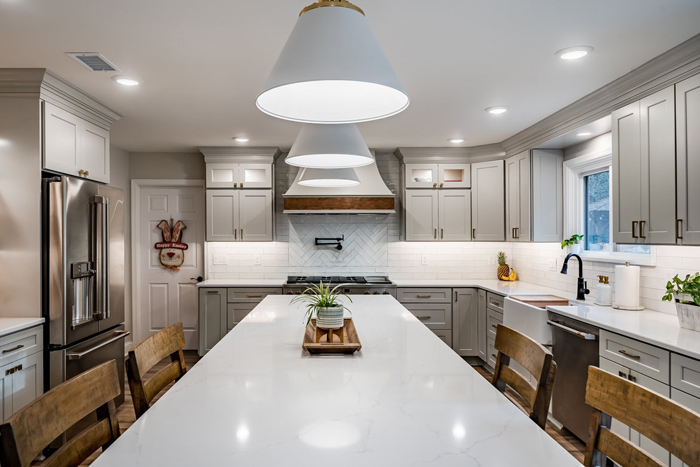
Hi — I’m Matt Morton. Let’s talk backsplashes.
Whether you’re remodeling a kitchen in West Chester or updating a farmhouse in rural Chester County, the backsplash is one of the highest-impact, lowest-footprint design choices you can make. It protects surfaces, changes the kitchen’s visual weight, and is a great place to add personality without a complete overhaul.
Start with function — then pick a style
Before you fall in love with a pattern on Instagram, ask two functional questions: how close is the tile to heat and splatter, and how much cleaning will this surface need? Behind a range you want a material that tolerates heat and splatter (porcelain, glazed ceramic, stainless, or sealed natural stone). Around a sink, choose non-porous, easy-to-clean materials and grout that resists staining. If you live in older homes across Delaware County where kitchens are compact, prioritize vertical coverage for splash protection.
Material choices and when to use them
- Porcelain and glazed ceramic: Durable, affordable, and available in many looks — porcelain mimics stone and wood without the upkeep. Great for heavy-use areas like ranges and sinks.
- Glass: Sleek and reflective; it brightens small kitchens but shows water spots more readily. Use larger panels or mosaics with sealed grout for easier maintenance.
- Natural stone (marble, slate): Warm and luxurious. Requires sealing and more maintenance — great for lower-splash areas or as an accent band in a Chester County historic kitchen.
- Metal and stainless steel: Industrial, easy to wipe, and heat-tolerant. Ideal behind ranges in open-concept kitchens where a modern look is wanted.
- Large-format porcelain slabs: Minimal grout lines, modern look, excellent for full-height backsplashes and easier cleaning.
- Beadboard or sealed wood: Works well in farmhouse styles for low-splash walls; must be well sealed near water and heat.
Patterns, scale, and proportion
Tile size and pattern change how big or small a kitchen feels. Small subway tile in a herringbone pattern reads busy in a compact Delaware County bungalow; choose it if you want texture. Large-format tiles make the space feel larger and cleaner. Rule of thumb: cabinet door width vs tile size — avoid installing tiny tiles on very wide walls unless you want a mosaic effect.
Height: standard vs dramatic
Common choices include 18" to 24" high (from countertop to bottom of cabinets), counter-to-ceiling behind a range or sink, or full-height to the hood or open shelving. In kitchens with open shelving or high ceilings like those in some Chester County homes, full-height backsplashes create drama and simplify cleaning. If budget’s a concern, consider a full-height panel behind the range and a standard 18" field elsewhere.
Grout color — small detail, big effect
Grout does more than hold tiles; it defines the pattern. Matching grout minimizes the grid and creates a seamless look, while contrasting grout emphasizes geometry. For homes where staining is a concern, use epoxy grout or a darker grout color and consider sealing porous grout on natural stone.
Lighting and texture
Undercabinet lighting reveals texture and color. A textured glazed tile in a West Chester kitchen will pop under warm LED strips. Always mock up a sample with your chosen lighting; tiles that look good in a showroom can look different under home lighting and daylight in Chester County neighborhoods.
Accent bands and focal points
Rather than tiling every wall, think about an accent band behind the cooktop or a decorative medallion above the range. A vertical stack of patterned tiles can draw the eye up in a small kitchen, making ceilings feel higher. Use these sparingly — one focal point is enough.
Practical installation tips
- Measure twice — calculate square footage and add 10–15% for cuts and breakage (20% for diagonal layouts).
- Mock up the layout on paper or with a dry tile layout to find where cut tiles will appear; avoid tiny slivers at edges.
- Use a Schluter or similar edge trim on exposed tile edges for a clean, finished look.
- Consider epoxy grout in high-use kitchens for stain and mold resistance, especially around sinks and ranges.
- Hire a pro for tricky materials (large slabs, metal, natural stone) — correct waterproofing and substrate preparation matter in our humid PA summers and winter temp swings.
Budget-smart ideas
- Use expensive tile as an inset or band and complement with an inexpensive field tile.
- Choose a sleek, large-format porcelain that mimics stone instead of real stone to cut costs and maintenance.
- Salvage or reclaimed tiles can add unique character — perfect for a farmhouse look in northern Chester County — but factor in labor for matching and cutting irregular pieces.
Maintenance pointers for Chester & Delaware County homeowners
Regular wiping with mild detergent keeps glazed tiles looking new. For natural stone and unglazed tiles, seal upon installation and reseal yearly (or as manufacturer recommends). In older homes with shifting walls, watch grout lines for cracks and regrout before moisture causes bigger problems.
A practical tip from the field: bring three tile samples home and look at them on your counters at different times of day before you choose.
When to DIY and when to call Craftsworth
Simple subway or stacked ceramic can be a satisfying DIY weekend project if you have steady hands and basic tools. But when you’re dealing with large-format slabs, stone that requires sealing, electrical/hood penetrations, or a layout that must align with cabinetry and plumbing, hiring a pro reduces surprises. At Craftsworth Construction we help homeowners across West Chester, Chester County, and Delaware County with material selection, accurate measuring, and precise installation to keep projects on schedule and looking great.
Next steps — how to narrow your choices
- Decide how much of your wall will be covered and which area needs the most protection (range or sink).
- Pick three materials/patterns and test samples with your countertop and cabinet finishes under your kitchen light.
- Get quotes that include labor, substrate prep, grout type, edge trim, and sealing so you can compare apples to apples.
If you want, bring photos of your kitchen and your preferred tile samples and I’ll walk you through practical options that fit your home and budget. We’ve helped lots of neighbors across Chester and Delaware County balance beauty and durability — and I’ve got field-tested suggestions based on 15+ years in the trades. Reach out to Craftsworth Construction and we’ll get your backsplash right the first time.
- Matt Morton