
What West Chester Homeowners Need to Know About Local Remodeling Rules
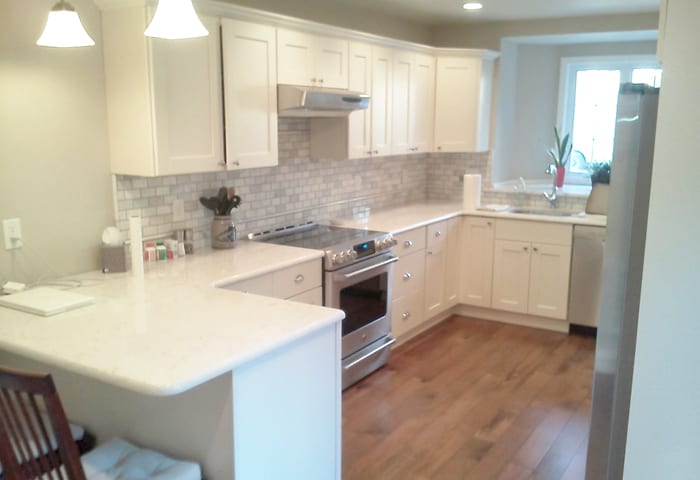
Hi—let’s talk permits, codes, and local rules
I’m Matt Morton from Craftsworth Construction. After 15+ years in the trades and hundreds of remodels around West Chester and neighboring towns in Chester and Delaware Counties, I can tell you this: understanding local regulations before demo day will save time, money, and a lot of stress.
Why local regulations matter (and why contractors should know them)
Regulations aren’t just bureaucratic red tape. Local building and zoning rules protect structural safety, fire egress, sewer connections and, importantly for our area, historical character and stormwater management. Ignoring them can lead to stop-work orders, costly rework, or problems when you sell your home. For lenders and insurers, signed permits and final inspections are proof that the work was done to code.
Common permits and where to get them in Chester/Delaware County
Permitting is usually handled by your borough or township—not the county—so the first call should be to your municipal building or zoning office. For example, West Chester Borough issues building permits and runs the Historic Architectural Review Board (HARB) processes; Media Borough (Delaware County) does the same for properties there. Below are the permits you’ll most likely encounter:
- Building permit: Required for structural changes, room additions, and many full kitchen or bathroom remodels. Plan sets and a site plan are often required.
- Electrical and plumbing permits: Typically pulled by the licensed tradespeople doing the work; inspections are required at rough‑in and final stages.
- Mechanical/HVAC permit: Needed for heating, air, and gas line work.
- Sewage/septic permits: If you’re replacing a sewage fixture, adding bathrooms, or connecting to a sewer lateral, the county health department or municipal sewer authority needs to sign off.
- Demolition, tree removal, and curb/dumpster permits: Many boroughs require permits for curbside dumpsters or sidewalk closures—plan these early for scheduling.
Actionable tip:
Before you sign a contract, ask your contractor who will pull permits. If you’re an owner‑builder, be ready to submit plans and take responsibility for inspections.
Historic districts and HARB: start early
West Chester, many Chester County boroughs, and parts of Delaware County have historic districts with a HARB or similar review board. If your home is in a historic district, exterior changes—windows, doors, siding, porches, roofs—almost always need prior approval. Interior work usually isn’t affected, but visible exterior elements are.
Apply early. HARB meetings may be monthly and require drawings and material samples. It’s common for approvals to take several weeks; factoring this in prevents project delays.
Zoning, setbacks, and impervious coverage
Even a simple deck or addition can trigger zoning rules: setbacks from property lines, maximum lot coverage, and height limits. Chester County has strict stormwater and impervious surface concerns in certain townships—adding a large patio or driveway could require a stormwater management plan.
Actionable tip:
Ask your municipality for a zoning permit or letter of compliance before finalizing designs. If your project exceeds zoning limits, you’ll need a variance—expect additional hearings and time.
Trades, licensing, inspections, and proof of work
In Pennsylvania, many technical trades require licensed professionals (electrical, plumbing, HVAC). Your contractor should provide copies of trade licenses and insurance certificates. Inspections are typically staged: rough‑in (electrical, plumbing), insulation, and final inspection. Never skip these inspections—missing approvals can void warranties and cause issues during resale.
PA One Call (811) is required prior to any digging for new footings, utility trenches, or major landscape changes—call at least three business days ahead.
Environmental and safety issues in older homes
Homes in Chester and Delaware Counties often date to the early 20th century. If your house was built before 1978, assume there’s lead paint somewhere; asbestos can appear in old insulation, floor tiles, and pipe wrap. Federal and state rules govern abatement—use certified professionals for testing and removal. Unsafe DIY abatement can create health hazards and regulatory headaches.
Costs, timelines, and penalties
Permit fees vary by municipality and project size. Small permits (bathroom remodels, window replacements) are often a few hundred dollars; whole‑house or large additions can cost more. Turnaround for permit approval can be days to several weeks. Unpermitted work risks stop‑work orders, fines, and the need for retroactive permits and inspections—often more expensive than doing it right the first time.
A practical checklist to keep your remodel legal and on schedule
- Locate your building/zoning office online or by phone; confirm required permits for your project.
- Ask your contractor to provide a permit plan set and the names/licence numbers of all trades; verify insurance.
- If you’re in a historic district, apply to HARB early and gather material samples in advance.
- Budget time for permit approval (plan for 2–6 weeks depending on scope and municipality).
- Call PA One Call (811) before any digging; schedule inspections at the rough‑in and final stages.
- Keep digital and printed copies of all permits and inspection sign‑offs—these are vital at resale.
- If you discover asbestos or suspect lead paint, stop and get certified testing; don’t attempt removal yourself.
How Craftsworth Construction helps—and what to expect from a good contractor
At Craftsworth Construction we pull permits for projects we manage, prepare the necessary plans for municipalities in Chester and Delaware Counties, and coordinate inspections with licensed electricians, plumbers, and HVAC techs. But even if you hire another company, expect them to do the same and to keep you informed of timelines and permit copies. If they hesitate, that’s a red flag.
Permits and local regulations may feel like a headache, but they’re the backbone of a safe, legal remodel. Take the time to handle them up front: you’ll avoid surprises and keep your project moving. If you want to talk specifics about your West Chester, Chester County, or Delaware County home, give me a call—happy to walk you through the local steps and timelines so you can plan with confidence.
Quick contact tip: When you call your township, ask for the "building permit checklist"—most offices will email a checklist showing exactly what plans and fees are needed.