
Smart Plumbing Upgrades for PA Homes
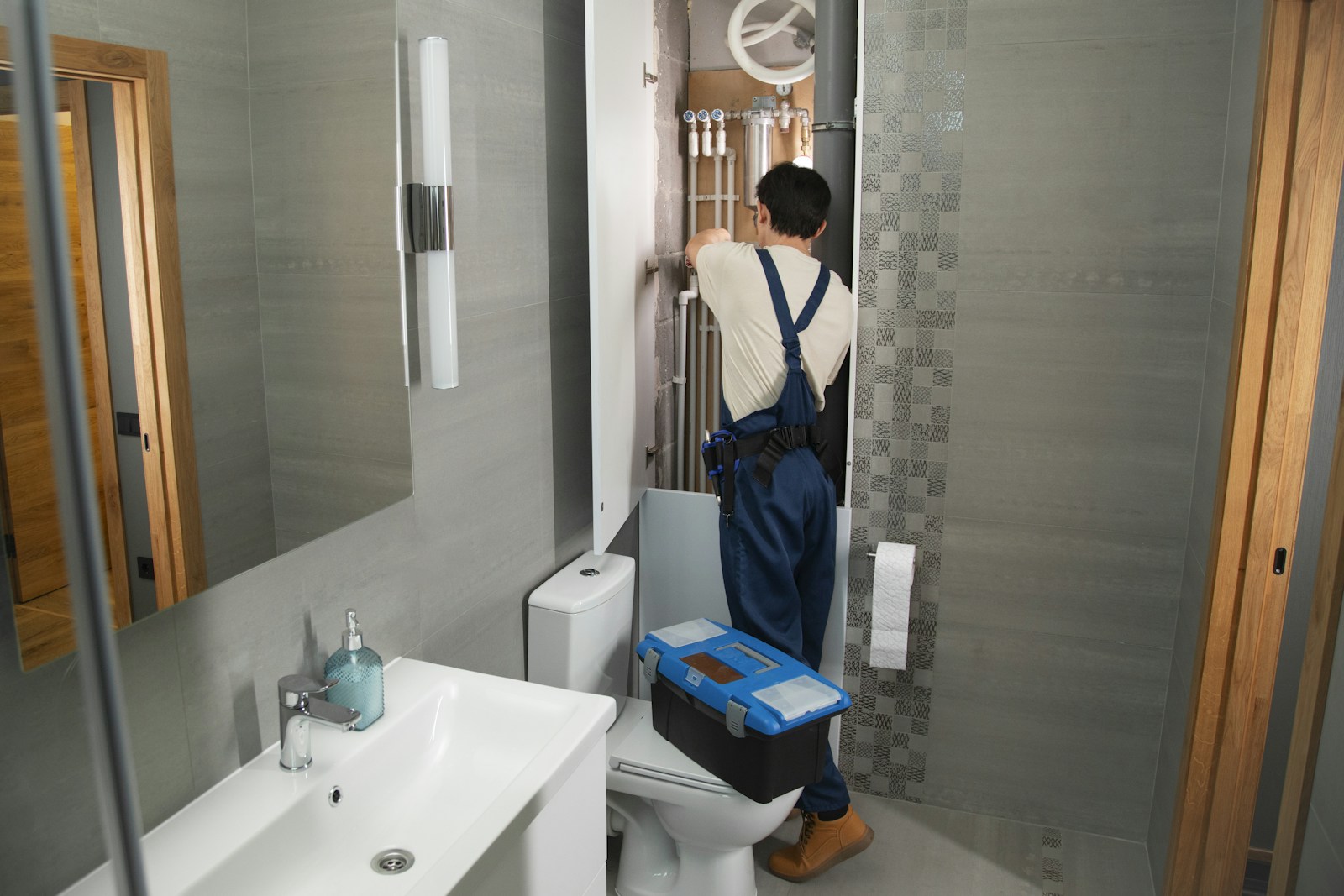
Illustrative stock photo—not a Craftsworth Construction project. Photo by bhagya laxmi on Unsplash.
Hello — let’s talk plumbing upgrades
I’m Matt Morton. After 15 years in the trades and building remodels around Chester and Delaware County, I’ve seen which plumbing changes actually deliver comfort and value—and which ones just add cost. If you’re planning a kitchen, bathroom, or basement remodel, thinking about plumbing early will save time, money, and headaches.
Start with a practical inspection
Before you change fixtures or move walls, do three simple things: locate your main shut-off, test your water pressure, and identify the pipe materials in your home.
- Find the main shut-off: Know where it is and make sure it turns off smoothly. In an emergency, that knowledge prevents serious damage.
- Measure water pressure: Use a pressure gauge on an outside hose bib. Typical safe pressure is 40–60 psi. Higher pressure can stress fittings and appliances—consider a pressure reducing valve (PRV) if readings are over 70 psi.
- Identify pipe types: Galvanized steel and lead piping are common in older Chester County homes and often need replacement. If you see rust flakes, low flow, or frequent pinhole leaks, call a pro for a video inspection or partial opening to confirm condition.
PEX, copper, or repipe — what to choose?
For most remodels I recommend PEX for branch runs. It’s flexible (fewer fittings), resists freeze damage better than rigid copper, and speeds installation—useful in tight basements or crawlspaces. Copper still has a place for visible runs and long-life scenarios, but it’s more expensive and can be noisy when water hammer isn’t addressed.
If your home has galvanized or lead service lines, plan to replace them. A targeted repipe of sections that feed the kitchen, bathrooms, and laundry can be a cost-effective middle ground vs. a full repipe—ask your contractor for a phased plan.
Moving fixtures? Know the real costs
Changing a sink’s faucet is easy. Moving a drain or toilet is not. Waste drains need fall (slope) to flow, and relocating them often means opening floors, rerouting cast-iron or clay lines, and sometimes cutting into foundation walls for new vents or stacks. Before you decide on a layout change, get a plumbing estimate that breaks out:
- Fixture move cost (labor and materials)
- Drain/vent work (including possible replacement of old cast iron)
- Finish repair costs (patching floors, tile, cabinetry)
In Chester & Delaware County, local code and inspectors will also expect proper venting and cleanouts—don’t skip that in the budget.
Water heating: tank, tankless, or hybrid?
Tank water heaters are still the simplest option for many homes. If your unit is older than 10–12 years, plan a replacement during your remodel so you don’t have a failing heater mid-project. Tankless units offer endless hot water and can free up floor space, but they require larger gas lines or electrical upgrades and often need professional sizing to meet Pennsylvania heating loads.
Consider a hot-water recirculation system if you have long run lengths to showers—instant hot water reduces waste and improves homeowner satisfaction. I’ve installed recirculation loops in Chester County kitchens and seen immediate homeowner delight.
Basements, sump pumps, and sewer lines
If you’re finishing a basement in our area, make sure sump pumps and sewage ejectors are properly planned. A dedicated pump with a battery backup or water-powered backup is crucial here—storms in our region can cause power outages that would otherwise leave a finished basement vulnerable.
Also be aware of the sewer lateral from your house to the municipal connection. Roots, offset joints, and clay lines can cause backups. A video inspection and locating the cleanout are cheap, proactive steps that can prevent major damage later.
Fixture upgrades that actually make a difference
- Low-flow toilets & aerators: Save water without sacrificing performance—especially relevant with local utility charges and long-term value.
- Pressure-balanced or thermostatic valves: Great for showers to prevent scalding when someone flushes upstairs.
- Quality shut-off valves at each fixture: Install them so you can work on one sink without turning water off to the whole house.
- Point-of-use filters: Consider under-sink filtration in the kitchen if you’re concerned about taste, hardness, or old piping.
Permits, codes, and hiring the right pros
Plumbing work in Chester and Delaware Counties almost always requires permits and inspections. That’s a good thing—permits ensure proper venting, fixture clearances, and backflow prevention. Hire a licensed plumber and ask for proof of insurance and references. On remodels, we coordinate plumbing, electrical, and finishes so installations line up and inspections go smoothly—that coordination avoids rework and delays.
Maintenance checklist for homeowners
- Annually: flush the water heater, test the pressure relief valve, check visible supply lines for leaks.
- Every 3–5 years: test water quality for lead if you have older service lines, and replace any failing shut-off valves.
- Seasonally: in winter, insulate exposed pipes and run heat tape where freezing is possible (important in older Chester County basements and crawlspaces).
- After storms: check sump pump and backup operation; inspect for basement seepage and address grading/flashings if needed.
Final practical tips from me
Plan plumbing changes early in your remodel design phase, get at least two detailed bids that show where costs are for moving drains vs. swapping fixtures, and include a contingency for surprises—old houses hide rotten stacks, corroded fittings, and unexpected joist work.
At Craftsworth Construction we help homeowners in Chester and Delaware Counties coordinate plumbing with design and structural work so you get a practical, code-compliant result without surprises. If you want a walkthrough of your system or a second opinion on a plumber’s scope, I’m happy to help—understanding the work is the first step to getting it right.
Quick to-do: find your main shut-off, measure pressure, and schedule a video inspection if your home has galvanized or cast-iron pipes. Those three moves will inform good decisions.
If you have specific questions about your home’s piping or a remodel plan, tell me what’s going on—I’ll share straightforward, practical advice based on real jobsite experience in our neighborhood.