
Smart Kitchen Island Design Ideas
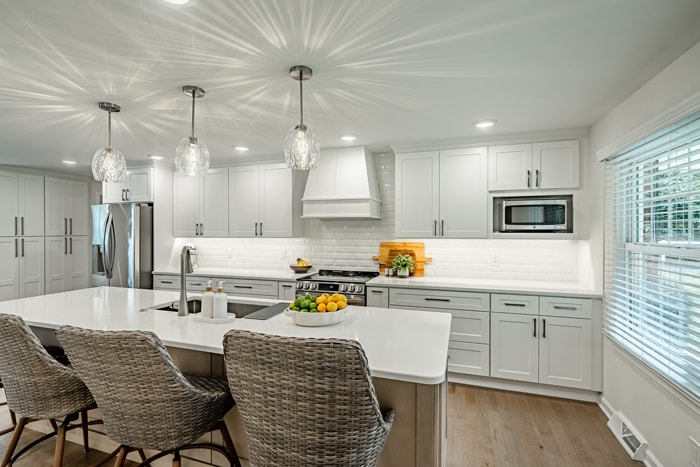
Let’s design an island that actually works for your life
Hi, I’m Matt Morton. After 15+ years in the trades and countless kitchen remodels across Chester County and Delaware County, I’ve seen the kitchen island get everything from underused to indispensable. If you’re thinking about adding or reworking an island, these are the practical decisions that make the difference between a showpiece and a workhorse.
Start with the workflow—not the look
Before you pick a finish or a pendant light, look at how you use the kitchen. Cook a typical meal in your head and map where chopping, cooking, plating, serving, and cleanup happen. Your island should either support an existing work triangle (sink, range, refrigerator) or create a new efficient one. In most Chester County homes with older plumbing layouts, moving a sink can add cost; consider whether you need water on the island or if it can stay on the perimeter.
Clearances and dimensions that prevent regrets
Measure first and be ruthless. The single biggest mistake I see is islands that crowd circulation. Use these rules of thumb:
- Minimum clearance between island and cabinets: 42 inches for a kitchen with multiple cooks; 36 inches is an absolute minimum with light traffic.
- Standard countertop height: 36 inches. Bar-height islands are 42 inches—useful if you want a standing bar area but can complicate coordination with standard base cabinets.
- Seating overhang: 12-15 inches for standard stools; 15-18 inches if you want knee room for multiple adults.
- Island depth: 36 to 48 inches is common. Deeper islands give more prep space but need proportionally more room in the kitchen.
Measure actual stools and appliance swing—don’t rely just on cabinet specs.
Decide the island’s primary functions
Is your island for prep, seating, storage, cooking, or a mix? Typical configurations and what they need:
- Prep island: Large uninterrupted countertop, a sink optional, deep drawers for pots and pans.
- Seating island: At least 8–10 inches of linear space per person; allow extra for elbow room if you entertain frequently.
- Cooktop island: Require ventilation—plan for an island hood or downdraft and check ceiling height for a hood installation.
- Service island (cleanup): Include a sink and dishwasher; keep plumbing runs short if you can to save money.
Plumbing, gas, and electrical: plan early
Once you decide on a sink, cooktop, or dishwasher on the island, you’re into mechanical work. In many Chester and Delaware County homes, routing plumbing to the center of an open plan requires breaking floors or running under joists—budget for it and consider the seasons (we often schedule floor access when basements are dry). For cooktops, an island hood with a straight vertical run to the outside is the cleanest solution; downdrafts are fine but often underperform.
Don’t forget outlets. Code requires countertop receptacles at intervals; islands almost always need at least one GFCI-protected outlet. Plan USB or appliance garages if you want a tidy look.
Storage that actually fits what you own
Drawers beat doors for everyday items—pots, pans, and Tupperware live in drawers, not deep cabinets. Think vertical storage for trays and cutting boards, pull-out trash/ recycling, and open shelving only where you’re ready to keep it tidy. If you have a large family in West Chester or prefer entertaining, plan for extra shallow drawers for linens and serving pieces near the seating side.
Materials and finishes that balance wear and style
Choose materials based on function. Quartz or solid-surface tops are low-maintenance for heavy-use islands. If you love the warmth of wood, a butcher block works well for prep zones but needs regular oiling. For island bases, painted cabinetry hides fingerprints and is easy to touch up—handy if you have kids or dogs. Locally, I recommend finishes that balance longevity with regional style: classic painted bases with a contrasting stone counter often read well in Chester County homes.
Lighting and sightlines
Good task lighting over the island is non-negotiable. Use a combination of recessed cans for broad light and pendant fixtures for targeted task light and visual interest. Position pendants so they don’t interfere with sightlines to the rest of the room—low enough to be dramatic, high enough not to block conversation.
Budgeting and timeline tips
Allocate about 15–25% of your kitchen budget to the island if it includes appliances or plumbing. Simple islands with seating and storage sit at the lower end; islands with cooktops or wet bars push to the higher end. Expect an extra 1–3 weeks of construction time if mechanicals are involved; coordinating with other trades is the biggest potential delay.
Checklist for your island planning meeting
- Measure your kitchen clearance—mock up the island on the floor with tape.
- Decide primary function(s): prep, cook, clean, seat, or combo.
- Identify mechanical needs: water, gas, venting, and outlets.
- Pick countertop and base materials with maintenance in mind.
- Choose storage layout—drawers, pull-outs, or open shelves.
- Plan lighting: task and ambient layers.
- Get a local contractor or designer to review structural and code considerations.
“An island should make your life easier—not more complicated. Plan first, then style.” — Matt Morton
Local advice from someone who builds them
In our work at Craftsworth Construction across Chester and Delaware Counties, the islands that succeed are the ones planned around real use and honest measurements. If you want help turning ideas into a layout that fits your space and budget, I’m happy to walk through measurements and options with you—no fluff, just practical answers from someone who’s been in the trades for over a decade.
Ready to sketch an island that works? Start by taping out your preferred footprint this weekend. If you want a professional walkthrough, reach out and we’ll look at traffic flow, sightlines, and the mechanicals so your island serves your family for years.