
Remodeling Budget Tips That Actually Work
Start with a realistic number, not a wish list
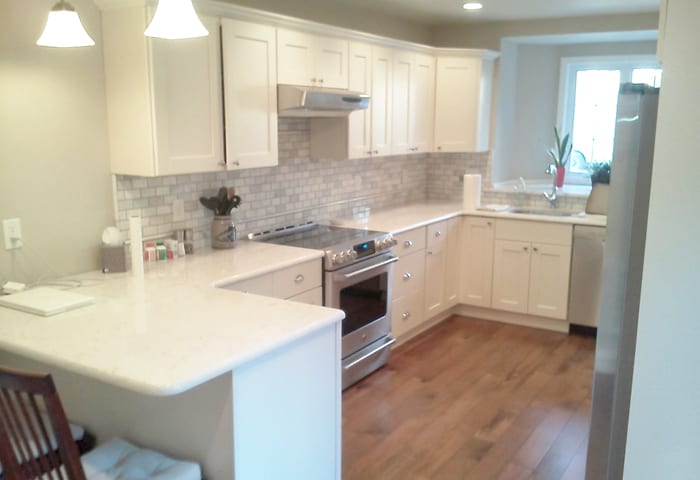
Most homeowners begin with a picture in their head—new cabinets, quartz counters, and a show-stopping tile. That’s great. But the single best budgeting tip I can give you after 15 years in the trades is this: decide what you can actually spend before you design. If your realistic budget is $40,000, don’t design like you have $70,000. It leads to disappointment and scope creep. Sit down and set a firm budget range: a comfortable number and an upper-limit number you won’t pass without re-evaluating priorities.
Break the budget into categories and use allowances
Line-item budgets keep surprises small. Split your number into major buckets—design/permits, structural/systems (framing, plumbing, electrical), cabinets and built-ins, surfaces (countertops, flooring), fixtures/appliances, labor, and contingency. Use allowances for items you haven’t picked yet (for example, “countertops: $3,500 allowance”) so the estimate stays accurate without forcing immediate selections.
Always budget a contingency—and size it to the house
Plan on a contingency of 10–20%. For a newer home or cosmetic remodel, 10% is usually sufficient. For older Chester County and Delaware County homes where hidden issues are common—knob-and-tube wiring, outdated plumbing, or century-old plaster—budget closer to 15–20%. That contingency covers hidden repairs and prevents late-stage sticker shock.
Prioritize by impact: systems first, finishes second
Start by listing what will deliver the most value or prevent future costs. Electrical, plumbing, and structural work should come before cosmetic upgrades. That approach reduces risk: you don’t install beautiful tile only to rip it up later for a plumbing reroute. Prioritizing also lets you spend more where it matters—durable cabinets, reliable plumbing, and good lighting—while saving on lower-impact finishes.
Save smart: where to invest and where to compromise
- Invest: Cabinets, layout changes, plumbing, and good lighting. These affect daily use and resale value.
- Compromise: Backsplashes, high-end trim, and some decorative fixtures. You can get big visual impact with mid-grade tile and well-chosen paint.
- Switch, don’t skimp: Choose a mid-grade appliance or sink but keep consistent finishes to make a space look high-end without the sticker shock.
Get three written bids and compare apples to apples
In Chester and Delaware County, contractor pricing can vary because of materials, subcontractor rates, and permitting approaches. Always get at least three written estimates and make sure they're itemized. A vague lump-sum estimate hides assumptions. Look for line items, allowances, and labor hours so you can compare specifics—like how one contractor includes demolition in the price while another lists it separately.
Watch for common money traps
- Changing finishes midstream—this quickly eats the contingency.
- Not budgeting for permits or inspections—check with your township; permit fees vary across Chester and Delaware County.
- Assuming DIY will always save money—some tasks create rework if you’re not experienced (tile prep, structural framing, electrical).
Plan for permits and inspection timelines
Permits in local townships and boroughs can add both time and cost. Find out early whether your project needs building, electrical, or plumbing permits and factor permit fees and inspection wait times into both the budget and schedule. At Craftsworth Construction we handle permit coordination for clients, which often reduces delays and unexpected costs from missed code items.
Consider phasing larger projects
If your budget is tight but the project is necessary, phase the work. For instance, replace aging systems first (HVAC, plumbing) and defer high-end finishes to a second phase. Phasing avoids compromise on critical work and spreads costs over time while keeping the home functional.
Be smart about materials and lead times
Lead times for cabinets, custom tile, and appliances can be weeks to months. Ordering too early or too late can create storage issues or delay project completion. Ask suppliers in our area about typical turnaround times—local suppliers often have shorter lead times than national chains and can save both money and headaches.
Keep a project spreadsheet and track every change
Make a single spreadsheet (or use the contractor’s change-order log) to track allowances, selections, invoices, and change orders. Every change—upgrades, color swaps, additional work—should have a signed change order that lists cost, reason, and schedule impact. That paper trail prevents surprise bills and helps keep everyone accountable.
Financing and ROI—what to consider locally
If you’re financing, compare interest rates and loan terms. For homeowners in Chester and Delaware County, consider how the remodel fits neighborhood norms—over-improving can limit ROI. Focus upgrades that give you everyday enjoyment and align with comparable homes on your block if resale is a goal.
“A well-planned budget is your best tool. Spend upfront time on details and you’ll save money, stress, and time during the build.” — Matt Morton
Work with a contractor who communicates costs clearly
Good contractors make budgeting collaborative. We at Craftsworth Construction aim to provide clear, itemized bids and help homeowners understand where to save and where to invest. If your contractor won’t walk through numbers with you or insists on vague estimates, that’s a red flag.
Final tip: be flexible on timing to save money
Scheduling a remodel in the slower season (late fall or winter) in Chester and Delaware County can reduce labor and material costs, since demand is lower. If your timeline allows, this can be an easy way to stretch your budget further without sacrificing quality.
If you want help turning your budget into a realistic plan, reach out—happy to walk through options and local realities so you get the most value from your remodel.