
Practical Electrical Updates for PA Homes
Why electrical updates matter (and why now)
Hi, I’m Matt Morton. If you own a home in Chester County or Delaware County and you’re thinking about a remodel, electrical updates should be near the top of your priority list. Old wiring and undersized panels aren’t just inconvenient — they’re safety hazards, can limit what appliances you can add, and often slow down the rest of your project. Updating electrical systems protects your family and keeps your remodel functioning the way you expect.
Start with a proper assessment
Before you swap cabinets or pick paint, have a licensed electrician do a whole-home assessment. They’ll look for: two-prong outlets, knob-and-tube or aluminum wiring, overloaded circuits, improper grounding, and the age/condition of your panel. In older Chester County homes you’ll see this a lot — identifying these issues early prevents costly surprises later.
Prioritize safety and code compliance
Local building codes in PA require GFCI protection in kitchens, bathrooms, basements and outdoors, and most remodeling projects trigger upgrades to bring installations up to code. Also ask about AFCI protection — modern code often requires arc-fault breakers to reduce fire risk. Your electrician and the project permit will ensure the work meets Chester and Delaware County inspections.
Practical checklist for common remodels
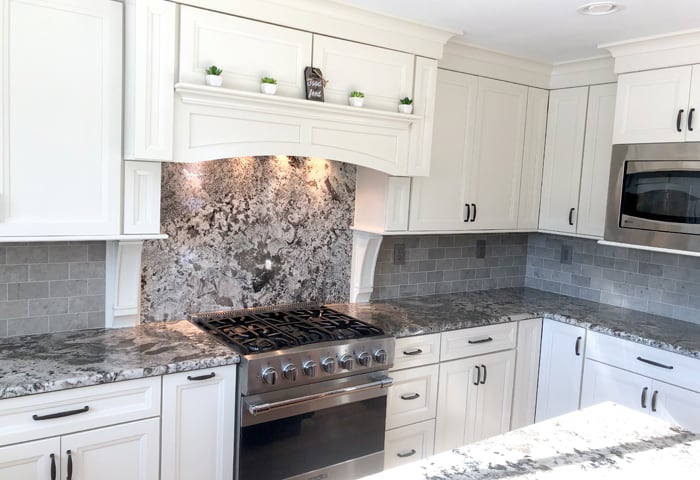
- Kitchens: Add dedicated circuits for ranges, dishwashers, microwaves, and counter receptacles. Islands and peninsulas typically need their own outlet runs. Consider undercabinet lighting on a switched circuit and plan for appliance locations early so wiring routes are straightforward.
- Bathrooms: Install GFCI-protected outlets and consider a dedicated 20A circuit for high-draw items. If you’re adding a towel warmer, heated floor, or a vent/light/heater combo, those usually need dedicated circuits too.
- Basements: Plan dedicated circuits for sump pumps, dehumidifiers, and any workshop equipment. If you’re finishing a basement for living space, add enough outlets to meet code and avoid long extension cords — also plan lighting and egress emergency lighting if required.
Future-proofing: think beyond today
When we remodel, homeowners often ask about future needs — EV chargers, heat pumps, more electronics, or a finished basement home theater. If you’re in suburban Chester or Delaware County and considering an EV in the next 5–10 years, it’s smart to budget for a service upgrade or at least space in the panel for a 240V circuit. Adding a subpanel during a remodel is often easier and cheaper than adding it later.
Panel upgrades and service capacity
Many older homes have 60A or 100A service, which can limit modern appliances. Upgrading to 200A is common and gives you room for HVAC upgrades, electric ranges, and EV chargers. Expect to coordinate with your utility company for a meter and service change; timeframes vary in Chester and Delaware Counties, so factor that into your schedule.
DIY vs. licensed electrician: where to draw the line
- Do-it-yourself: You can safely replace light fixtures, swap a receptacle with the power off, or install smart bulbs. Always turn off the proper circuit and test for voltage.
- Call a pro: Anything involving the panel, new circuits, service upgrades, wiring behind walls, GFCI/AFCI concerns, or anything that requires a permit should be handled by a licensed electrician. In our area, inspectors will require licensed work for permitted jobs — don’t risk failing an inspection.
Working with your electrician and contractor
At Craftsworth Construction we coordinate electrical work with licensed local electricians so wiring aligns with cabinetry, islands, and lighting locations. Create a single plan that shows appliance locations, switch layouts, and lighting zones. That plan saves time and avoids rework during installation.
Permits, inspections, and timelines
Permits are non-negotiable for most electrical changes in Chester and Delaware Counties. Typical timelines: assessment and permit submittal (1–2 weeks), electrician rough-in (1–3 days for a small project, longer for panel upgrades), inspections (scheduling varies), and final hookup. Always build extra time into your remodel schedule for inspections and utility coordination.
Budgeting guidance
Costs vary by scope. Swapping outlets or adding a few circuits might be a few hundred to a couple thousand dollars. Panel upgrades and major rewires can range higher. Get multiple quotes, ask electricians to itemize labor and materials, and ask about pulling permits. In Chester/Delaware County projects we commonly see budget ranges — but the real key is prioritizing safety and proper capacity over low bids.
Maintenance and simple homeowner checks
- Label your panel: know which breakers feed which areas — this saves time in an outage.
- Test GFCIs every few months and change smoke detector batteries annually. Consider interconnected smoke alarms that notify every room — required in many remodels.
- If you experience frequent tripped breakers, warm outlets, or flickering lights, stop using the circuit and call an electrician — those are warning signs.
Electrical work protects your home and your family. Investing a little more now prevents headaches and safety risks down the road.
Final thoughts
If you’re planning a kitchen, bathroom, or basement remodel in Chester County or Delaware County, include electrical planning in your earliest conversations. A good electrician and a contractor who coordinates systems — like Craftsworth Construction — can make the difference between a smooth project and constant electrical headaches. If you want, start by having a licensed electrician do a whole-home assessment and then use that information to build your remodel scope and budget. It’s the single best move for a safe, functional, and future-ready home.
Need help connecting with vetted electricians or planning the electrical scope of your remodel? Reach out — I’m happy to walk through what to expect for your specific project in our area.