
Pet-Friendly Remodeling for Chester County Homes
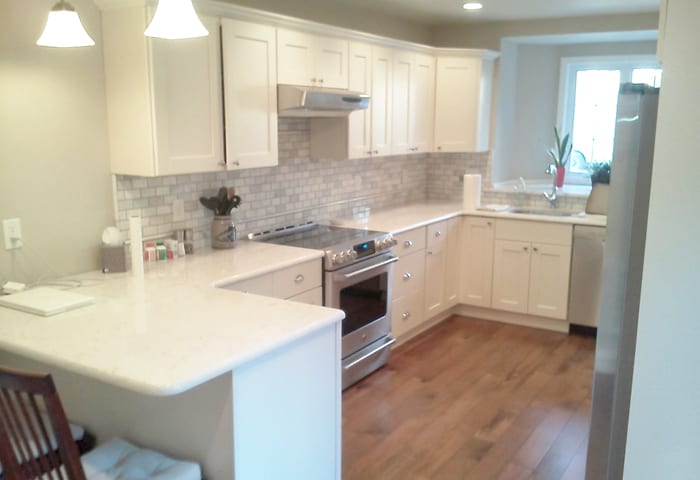
Why design for pets up front?
Hi, I’m Matt Morton. After 15 years in the trades and hundreds of remodels around Chester and Delaware County, I can tell you one thing: homes that work for pets from day one save owners time, money, and stress. Retrofits are possible, but planning pet-friendly features into a remodel — especially kitchens, baths, mudrooms, and basements — is smarter and usually cheaper than trying to fix problems later.
Start with a quick needs inventory
Before you pick finishes or move a wall, list practical things about your household: how many pets, their sizes and ages, whether you groom at home, if you use the basement as a playroom, and how often pets go outdoors. That simple list drives layout choices and material selections. I always ask homeowners this on the first walk-through at Craftsworth Construction.
Action: Create a two-column list
- Column A: Daily routines (meal times, outdoor access, bathing/grooming frequency)
- Column B: Problem spots (muddy paws, hair accumulation, slippery stairs)
Flooring that stands up to paws and claws
Flooring is the biggest long-term decision for pet owners. In Chester and Delaware County we deal with seasonal mud, snow, and salt, so pick something that’s durable and easy to clean.
- Luxury vinyl plank (LVP): Water-resistant, scratch-tolerant, and warm underfoot. It’s one of the best all-around choices.
- Porcelain tile: Great for mudrooms and entryways because it handles salt melt and is easy to hose off. Use a textured finish for traction.
- Hardwood: If you love real wood, choose harder species (white oak) with a matte finish and be ready to refinish. Keep a budget line for periodic touch-ups.
- Rugs and runners: Use washable, low-pile rugs with non-slip pads on stairs and high-traffic zones.
Tidy storage and feeding solutions
Mess is the other big headache. Built-in storage and feeding stations keep clutter—and critter food—out of the way.
- Install a recessed feeding nook in a lower cabinet with a pull-out tray for bowls. It keeps food off the floor and is easy to clean.
- Add a lockable cabinet or pantry pull-out for pet food to protect from moisture and pests (and to prevent sneaky access).
- Design a designated bin near the door for leashes, harnesses, and cleanup supplies. A simple hook-and-basket system goes a long way.
Grooming and wash stations that work
If you bathe dogs at home, a proper pet wash station is worth the space. In a mudroom or enlarged laundry, include:
- A built-in tub or curbless shower with a handheld sprayer at a comfortable height.
- Durable, water-resistant wall panels (tile or PVC panels) and epoxy grout to avoid mold in wet areas.
- Good drainage and a floor slope; consider adding a floor drain if plumbing access allows.
Make entrances work for messy paws
In our area, entryways need to handle wet dogs and muddy boots. Design a mudroom with these features:
- Porcelain tile or LVP flooring with a textured finish.
- A bench with open cubbies below for shoes and baskets for leashes and toys.
- Wall-mounted hooks at both adult and child/pet heights for easy hangs.
- A boot brush station or wipe-off mat zone near the door for quick cleaning.
Safety and health-focused finishes
Choose materials and details that improve hygiene and reduce hazards:
- Quartz countertops resist stains and are easier to clean than porous stone.
- Epoxy grout in wet areas prevents staining and mold build-up from pet baths.
- Rounded cabinet corners in lower cabinets reduce injury risks for energetic pups.
- Window seats or built-in nooks give cats and dogs a safe spot to watch outdoors without jumping on furniture.
Stairs, ramps, and senior-pet access
Older pets need help getting around. Add traction to stairs with long runners or individual rubber treads. If stairs are a regular challenge, plan for a gentle ramp or a low-profile second entrance. Underfloor radiant heat can be a miracle for stiff joints—ask us about lining radiant tubing into tile floors during the remodel.
Outdoor transitions and landscaping
Think about the first and last 10 feet between house and yard. Use gravel or paver paths that drain well, and avoid plants toxic to pets (like azaleas and daffodils). If you’re adding a deck, choose composite materials resistant to salt and stains. A gated transition area that doubles as a mudroom keeps the rest of the house clean.
Practical budget and timeline tips
Pet-friendly upgrades can be layered: prioritize durable flooring and an entry/mudroom first, then add pet wash stations and built-in storage later. Expect modest additional cost for waterproofing, epoxy grout, and better underlayment, but factor in long-term savings on repairs and cleaning. During the planning stage, we at Craftsworth Construction map out these costs so you know what’s essential versus nice-to-have.
Final checklist before you start
- Inventory pet behaviors and problem areas.
- Choose flooring and finishes rated for water and abrasion.
- Plan one dedicated pet zone for bathing, feeding, and storage.
- Include safety upgrades: non-slip surfaces, rounded edges, and secure storage.
- Coordinate outdoor-to-indoor transitions for mud and salt in our local climate.
Want help tailoring this to your home?
If you’re in Chester or Delaware County and thinking about a remodel that keeps your pets happy and your house easier to maintain, I’d be glad to walk the property with you. At Craftsworth Construction we’ve blended practical pet solutions into kitchens, baths, and basements for years — and the owners appreciate the difference when the project is done right. Give me a call and we’ll make a plan that fits your family, your pets, and your budget.
Pets are family. Design their space with the same care you give yours.