
Modern Farmhouse Remodeling Tips
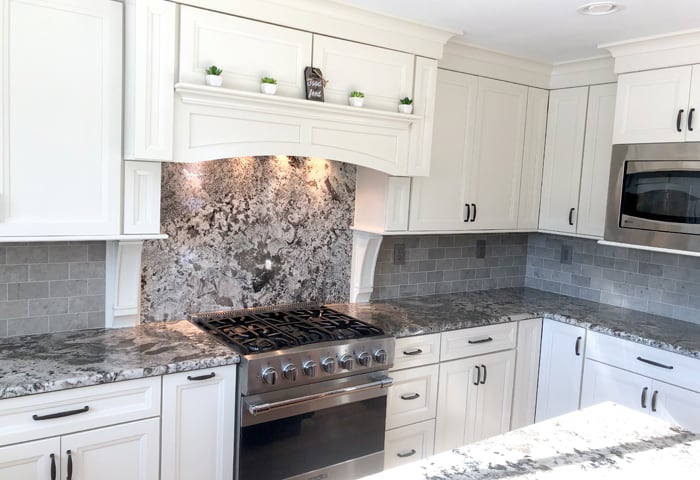
A practical guide to modern farmhouse remodeling
Hi, I’m Matt Morton. I’ve been in the trades for more than 15 years and I run Craftsworth Construction out of West Chester. If you love the cozy, lived-in look of a modern farmhouse but want it to function for a busy family in Chester County or Delaware County, this post walks you through the decisions that matter most—without the fluff.
Start with what you already have
One of the smartest ways to control cost and timeline is to preserve the existing plumbing and load-bearing walls when possible. Gutting and moving plumbing can double your budget in a kitchen or bathroom. Ask your contractor for a savings-first plan: what stays, what moves, and why. In historic neighborhoods around West Chester, keeping original window openings and trim proportions will preserve curb appeal and reduce permit headaches.
Define which elements make a house feel "modern farmhouse"
- Colors: warm whites, soft greiges, and muted blues/greens—use these on walls and cabinetry.
- Textures: mix painted cabinets with natural wood beams or reclaimed wood shelving.
- Details: apron-front sinks, board-and-batten or shiplap accents, black or oil-rubbed bronze hardware.
- Proportions: simple, clean lines with cozy, welcoming touches—avoid over-trimming or heavy, ornate moldings.
Pick two or three signature elements and make those the focus. Too many farmhouse cues can look contrived; subtlety ages better and stays on-trend longer.
Practical material choices for PA homes
Chester and Delaware County see hot summers and cold, wet winters—pick materials that hold up. For floors, engineered hardwood or high-quality LVP are excellent choices; both handle seasonal humidity changes better than solid hardwood. In kitchens, quartz counters give you farmhouse charm without the maintenance of natural stone. For a warmer look, consider a section of butcher block on the island as a prep surface.
Plumbing, appliances, and ventilation—don’t skimp here
An apron-front sink looks right in a farmhouse kitchen, but choose the bowl configuration that fits your routine (single deep bowl vs. double). If you’re installing a professional range, size your hood to the cooktop and plan for at least 800 CFM for high-BTU ranges—this keeps your kitchen comfortable on the cold, damp nights common here.
Lighting and layout that actually work
Layered lighting makes a space both functional and cozy. Combine recessed lights for general illumination, pendant lights over an island, and under-cabinet lighting for task work. For pendants, a good rule is to hang them 28–34 inches above the island surface and space them evenly so each has its own visual field. When planning an island, think about circulation: you want at least 42 inches of clearance around an island in a working kitchen.
Cabinet style and hardware—choices that last
Shaker-style cabinetry fits the modern farmhouse aesthetic and transitions well if you sell later. Decide between inset and overlay doors early—an inset door gives a craftsman feel but is more expensive and requires tighter tolerances. For hardware, matte black or warm brass are both popular; choose one finish and use it consistently for a cohesive look.
Practical budgeting tips
- Prioritize structure, mechanicals, and layout before surface finishes.
- Keep plumbing and electrical locations where they are if budget is tight.
- Invest in durable surfaces in high-traffic areas and save on decorative items like open shelving or accent tiles.
- Get three estimates and compare scope—not just price. A lower bid may be cutting corners on necessary work like proper ventilation or insulation.
Permits, timelines, and local considerations
Most kitchen and bathroom remodels in Chester County and Delaware County require permits. If you live in a historic district or under an HOA, you may also need design approvals—factor two to four weeks for permitting. Typical timelines: a full kitchen rework often runs 8–12 weeks; a bathroom mid-range remodel can be 4–8 weeks. Weather can delay exterior work—plan around winter for siding or large exterior additions.
Small farmhouse details with big impact
- Install a deep, practical mudroom bench with hooks—useful in rainy Pennsylvania months.
- Use beadboard or board-and-batten in small doses—entryways, pantries, or powder rooms read as intentional, not overdone.
- Add closed storage behind pantry doors rather than glass in family homes to hide clutter while keeping the look clean.
Working with a design-build contractor in West Chester
If you’re local to Chester or Delaware County and want a smoother process, a design-build team can keep design, permits, and construction coordinated. At Craftsworth Construction we focus on practical solutions that respect both style and budget—matching farmhouse aesthetics to how families actually live. I always encourage homeowners to bring a list of must-haves and non-negotiables to the first meeting so we can shape a plan that fits your life, not a trend board.
Final checklist before you start
- Confirm layout and plumbing/electrical locations.
- Lock in major finishes (cabinets, countertops, flooring) early to avoid delays.
- Verify permit needs and HOA/historic approvals.
- Plan temporary kitchens or bathroom access during construction.
Modern farmhouse should feel like home—practical, warm, and built to last. Start with the function, choose a few signature details, and let the materials do the talking.
If you have specific questions about materials that stand up to the Pennsylvania climate or timelines for a West Chester remodel, I’m happy to help—just reach out. —Matt Morton, Craftsworth Construction