
Make Remodeling Pay: Real Value-Boosting Tips
How to improve your home's value without losing your mind
Hi — I’m Matt Morton. After 15 years in the trades working on homes across Chester County and Delaware County, I’ve seen what actually adds value and what looks good on paper but doesn’t move the needle. If you’re thinking about remodeling to increase resale value (or just to make the house work better for you), here are straightforward, practical choices you can act on today.
Start with local market reality: know your neighborhood
Before you pick finishes, check comparable homes in your town. In Chester County towns with historic stone homes, buyers expect certain period-appropriate details. In newer Delaware County subdivisions, open layouts and updated kitchens matter more. Walk a few blocks, look at recent listings or call a local agent to understand buyer expectations — that insight directs every dollar you spend.
High-impact projects that typically pay off
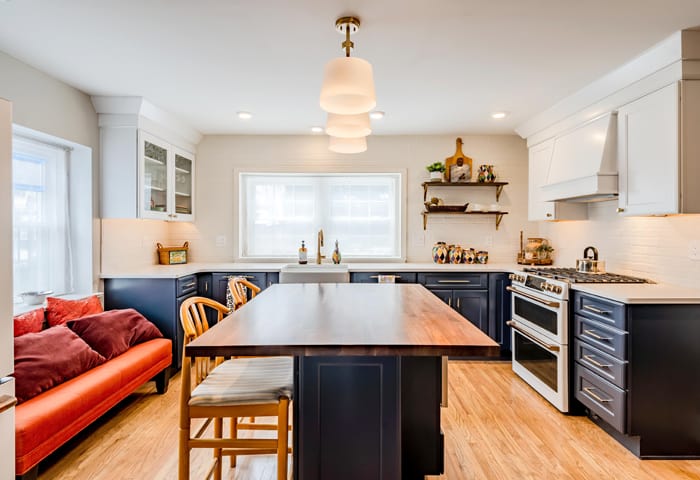
- Kitchens: You don’t need a chef’s kitchen to add value. Prioritize a clean layout, durable cabinets, calibrated storage (deep drawers, pull-outs), and modern, efficient appliances. A mid-range cabinet and countertop refresh beats a designer-only splurge.
- Bathrooms: Fix ventilation, replace dated lighting, and install a solid vanity and durable tile. For small baths, converting a tub to a tiled shower improves function and marketability in many homes.
- Basement finishes: In this area of PA, finished basements convert unused space into living space — which buyers value. But don’t finish before solving moisture and egress issues. Treat waterproofing and insulation as non-negotiable.
Efficiency and maintenance upgrades: small cost, big perception
Buyers like a house that feels taken care of. Do the maintenance items first: fresh paint (neutral tones), new hardware on doors, a modern front door or fresh front-facing trim paint, and new light fixtures. Energy improvements — attic insulation, LED lighting, a high-efficiency furnace or heat pump, or double-pane low-E windows — reduce future operating costs and are easy to explain to buyers.
Practical numbers and where to spend
If you need rules of thumb: spend more on projects buyers notice daily (kitchen, main bath, master bedroom) and less on high-design extras that appeal to a tiny segment. Set a project budget and hold 10–15% for contingencies. For example, a targeted kitchen refresh (new cabinet doors, hardware, countertop, backsplash, and a new range hood) often gives better return than a full gut that adds a lot of cost and time.
Layout and flow beat high-end finishes
One misstep I see: owners buying premium materials for a poorly laid-out space. If your kitchen triangle is tight, or your main floor lacks a flow that fits modern living, reconfiguring for function will deliver more perceived value than upscale counters. Remove awkward walls only where it meaningfully improves sightlines, daylight, and traffic patterns.
Flooring: consistency matters
Consistent flooring on the main level broadens appeal. In Chester and Delaware County homes, buyers often expect hardwood or engineered hardwood in living spaces and durable tile in wet areas. If replacing all floors isn't possible, create a logical transition and repair visible wear.
Light, power and ventilation: details buyers notice
Good lighting and ventilation are cheap wins. Add layered lighting (ambient + task) in the kitchen and bath, make sure bathrooms have vent fans that run long enough to remove moisture, and check electrical outlets in key areas. Replacing dim, dated fixtures with simple, modern pieces makes the home feel updated.
Outside matters: curb appeal and functional updates
First impressions count. Clean guttering, trimmed landscaping, a freshly painted front door, and a modern house number are low-cost and high-impact. Bigger items like a new garage door or a rebuilt stoop should be chosen with buyer expectations in mind — in historic Chester County neighborhoods, subtle and period-appropriate upgrades are often better than flashy modern replacements.
Permits, inspections, and what not to skip
Always pull permits for electrical, plumbing, structural, and significant mechanical work. Unpermitted work becomes a negotiation point and can kill resale. In our experience at Craftsworth Construction, handling permits and coordinating inspections early prevents delays and surprises during closing.
Practical process: plan, phase, and prioritize
- List priorities: safety and code, moisture/water problems, then aesthetics.
- Phase projects: fix structural or moisture issues first, then cosmetic work so your investment lasts.
- Get three bids: compare scope, not just price. Ask for timelines and references.
- Document everything: warranties, paint colors, appliance manuals — buyers appreciate the handoff.
Working with a contractor: questions to ask
Ask about insurance, license, local references, how they handle change orders, and their process for dust control and cleanup. A good local contractor will know Chester and Delaware County permit offices and neighborhood expectations. That's one reason local firms like Craftsworth Construction focus on communication and realistic timelines.
Final thought — balance ROI and personal enjoyment
If you plan to sell right away, prioritize buyer-focused improvements. If you plan to live in the house for several years, invest in what improves your daily life — durable floors, a functional kitchen, and a comfortable basement — because those improvements pay back over time in both enjoyment and marketability.
Smart remodeling is part practical, part local market savvy. Spend where buyers notice and don’t skip the fundamentals: layout, moisture control, and permits.
If you want a quick, honest assessment for a project in Chester County or Delaware County, reach out. I’m happy to walk a homeowner through practical options and realistic costs — and at Craftsworth Construction we try to make sure every dollar you spend moves the needle.