
How to Control Dust During Home Renovations
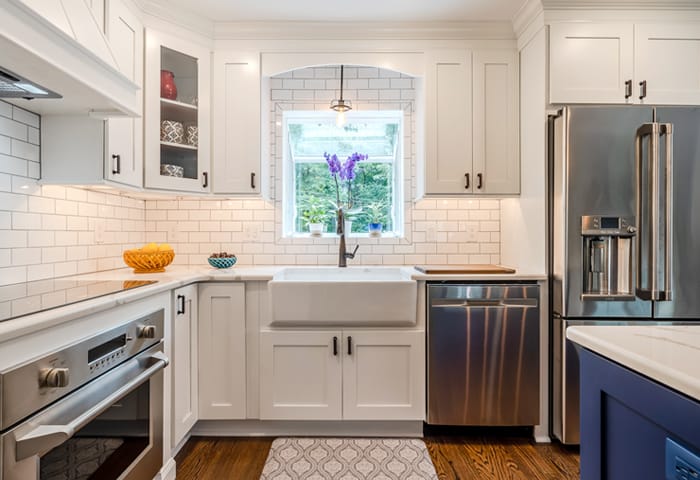
A practical approach to dust during your remodel
Hi, I’m Matt Morton, owner of Craftsworth Construction. After 15+ years in the trades remodeling kitchens, baths, and basements across Chester County and Delaware County, I’ve seen the good, the bad, and the dusty. Dust isn’t just messy — it can damage electronics, bother allergies, and make a remodel feel like chaos. Here’s a room-by-room, contractor-proven plan you can use to keep your home livable while work is underway.
Start with a dust control plan before demo
Before the first hammer swing, agree on a dust-control plan. It should include containment strategy, daily cleanup expectations, HVAC protection, and a final deep clean. Ask your contractor for a written plan — if they don’t offer one, that’s a red flag. At Craftsworth, we lay this out in the pre-construction meeting so homeowners in places like West Chester know what to expect.
Contain the work area
Containment is the most effective first line of defense. I recommend:
- Create a sealed zone: Use 6-mil polyethylene sheeting and 2x4 or telescoping poles (ZIPWall style) to seal doorways and openings.
- Use magnetic or zippered doors: They let workers come and go without tearing the barrier each time.
- Cover floors and thresholds: Lay rosin paper or contractor-grade floor protection taped down, and use a runner across hallways to catch tracked-in dust.
- Seal vents and returns: Close supply vents in the work area and tape a disposable furnace filter over returns to prevent dust from migrating through your HVAC.
Manage airflow — don’t spread dust around
Controlling where the air goes is critical. The goal is to create negative pressure inside the work zone so dust flows out through a controlled path, not into the rest of your house.
- Portable air scrubbers/negative air machines: Run a HEPA-rated air scrubber in the work area and vent it to the outdoors through a window or temporary ducting where possible.
- Keep doors closed: Keep the rest of the home closed up and avoid using central HVAC to move air from the work area into living spaces.
- Use box fans judiciously: If you use a box fan to push air out a window, ensure it’s blowing from the work zone to the outside, not pulling outdoor dust in.
Tools and techniques that minimize dust
How work is done matters. Here are techniques that significantly reduce airborne particles:
- Wet cutting: Use water-fed saws for tile, stone, and masonry to keep dust down at the source.
- HEPA vacuums: Vacuum immediately after demo with a HEPA-rated shop vac. Regular vacuums push fine particles back into the air.
- Tool-mounted dust collection: Many saws and sanders have dust ports — hook them up to a HEPA vacuum.
- Demolish in small sections: Phasing demo reduces the volume of dust released at once and makes cleanup manageable.
Daily routines that keep dust from settling in
Daily cleanup habits make a huge difference:
- Wet-wipe horizontal surfaces inside the containment zone at the end of each day.
- HEPA-vacuum floors and sills before removing barriers for the evening.
- Change or clean air scrubber and tool filters per manufacturer recommendations — often every few days on big projects.
Special concerns for older Chester & Delaware County homes
If your home was built before 1978 — common in many Chester County and Delaware County neighborhoods — consider lead paint testing before demo. Older plaster walls and lath create a lot more fine dust than modern drywall. For suspected lead or asbestos, hire a certified abatement contractor. Don’t attempt to handle hazardous materials yourself; the safety and legal stakes are high.
Protect kids, pets, and sensitive equipment
Create a clean “safe zone” where family members, medications, and electronics live during the project. Keep all food sealed and stored out of the work area. For pets, a boarding option or a room far from the remodel with an air purifier is usually best. Electronics should be covered and, when possible, moved to a clean area — even tiny dust particles can clog fans and vents.
Final cleaning and HVAC maintenance
Once construction is complete, don’t skip a professional final clean. This includes HEPA vacuuming, wiping all surfaces, and cleaning light fixtures and blinds. Also:
- Replace your furnace and portable air purifier filters (consider a higher MERV rating while the house stabilizes).
- Run air scrubbers for 24–48 hours post-clean to catch lingering particulates.
- Schedule an HVAC inspection if dust was heavy — your system may need a deeper cleaning.
Work with contractors who take dust control seriously
Ask potential contractors about their dust-control methods: containment setup, negative air equipment, HEPA vacuums, and their cleanup schedule. At Craftsworth Construction, we include a dust-control checklist in our project proposals tailored to homes in West Chester and surrounding areas so neighbors and homeowners know we’ve planned for the realities of older construction and shared-wall situations common in Delaware County.
“A clean jobsite is a safer jobsite — and a more comfortable home.”
Final thoughts
Dust won’t disappear entirely in a remodel, but with planning, the right tools, and a disciplined cleanup routine you’ll minimize its impact on your family and home. If you’re planning a remodel in Chester or Delaware County and want a clear dust-control plan in your proposal, give us a call — I’m happy to walk you through it. Keeping dust down is as much about respect for your home as it is about good craftsmanship.
— Matt Morton, Craftsworth Construction