
Designing the Right Kitchen Island: Practical Tips for Chester & Delaware County Homes
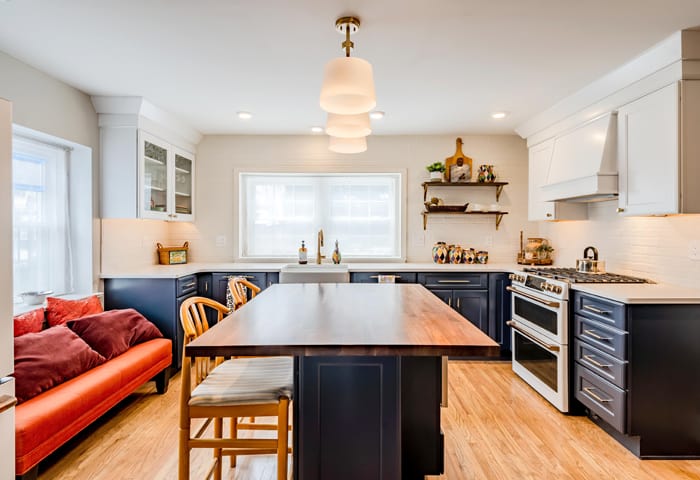
Why your island needs to be more than a pretty countertop
I’m Matt Morton, and after more than 20 years in the trades I can tell you islands look great—but they’re only successful if they solve everyday problems. Before you pick a finish or a pendant light, think about what you actually need from the island: prep space, seating, storage, or a full-service cooking zone. Each use affects layout, plumbing, electrical, and cost.
Start with traffic flow and clearances
Measure your kitchen work aisles before you fall in love with a design. These are the practical numbers that make an island comfortable:
- Aisle clearance: 36" minimum between island and perimeter cabinets for one cook; 42"–48" preferred if you have multiple cooks or appliance doors will swing open into the aisle.
- Seating clearance: Allow 24" per person at the island; for comfortable seating plan 30" per person if space allows.
- Overhang: A 12" overhang is standard for counter-height seating; 15"–18" if you want knee room or use thicker stone tops. Provide supports for anything over 10" without a cabinet base.
In Chester County and Delaware County homes where older layouts are common, you’ll often need to reclaim space from adjacent rooms or reconsider the traffic path—those extra inches make a huge difference in livability.
Decide island function: prep, sink, cooktop, or all three?
Function dictates infrastructure. A simple island for prep/storage is mostly cabinet work and a countertop. Adding a sink requires a plumbing chase and venting; a cooktop brings ventilation and extra clearances. Here’s how to choose:
- Prep + seating: easiest and usually the least expensive. No plumbing or venting; just cabinetry, countertop, and electrical.
- Sink + dishwasher: plan for plumbing rough-in, trap location, and often a dedicated channel in the floor for the waste line. Put the dishwasher next to the sink for efficiency.
- Cooktop: requires a vent hood or downdraft and sufficient clearances; check your local code and the appliance manual for exact specs.
At Craftsworth Construction we often recommend keeping the main cooktop on the wall run when possible to simplify ventilation, and putting the sink on the island for social prep and cleanup.
Practical size guidelines
These are rules of thumb that save a lot of headaches during layout:
- Minimum island: 4' long by 2' deep (48" x 24") works for a narrow prep island with no seating.
- Comfortable seating island: 6'–8' long and 40"–48" deep to accommodate cabinet base plus seating overhang.
- Full-service island: 8'–10' if you plan a sink, dishwasher, and cooktop together, to avoid cramped work areas.
Measure twice. Take a tape measure to the space and mark dimensions on the floor with painter’s tape to feel the space before committing.
Storage that works—design for daily tasks
Island storage is where you recoup value. Shallow base cabinets are wasted opportunity. Consider:
- Deep drawers for pots and pans instead of lower doors.
- Drawer organizers for utensils and wrap storage for easy access during prep.
- Dedicated pull-outs for trash/recycling and for small appliances like mixers.
- Open shelves or cubbies on the ends for cookbooks or seating backs.
Think about how you use the kitchen every day. I often ask homeowners to list the three most-used items they want close at hand—design from that list.
Materials & finishes that hold up locally
Chester and Delaware counties see real seasons—humidity in summer and dry winters—so pick materials that stand up to changes:
- Countertops: quartz is low-maintenance and resists staining; butcher block warms the space but needs sealing and more care.
- Cabinet finishes: consider painted vs natural wood depending on wear; high-touch areas like seating sides benefit from durable paint or laminate.
- Flooring transitions: coordinate floor levels if you're opening into an adjacent room; avoid awkward thresholds that trip guests.
Electrical, lighting, and ventilation
Plan lighting and power early. Islands require task lighting—pendants or linear fixtures—and often at least one dedicated GFCI outlet. If you’re adding a cooktop, ventilation dictates hood selection; if you’re adding a sink, plan hot/cold lines and consider shut-offs accessible from beneath the island.
Budget and timeline expectations
A basic island (cabinets + countertop) can be one of the most cost-effective upgrades; adding plumbing, electrical, or appliances increases cost significantly. Rough ranges for our area:
- Basic island: $2,000–$6,000
- Island with sink/dishwasher: $6,000–$12,000
- Full-service island with cooktop/vent: $10,000–$25,000+
Permitting and structural changes (like adding floor joist reinforcement) will add time and cost. In West Chester and neighboring townships, plumbing and electrical changes often require permits; I recommend letting your contractor pull them to avoid missteps.
What to bring to your design meeting
To get the most from a consultation, bring:
- Current measurements or a simple floor plan with appliance locations
- Photos of the kitchen from multiple angles
- Appliance specs if you’re keeping or replacing them
- A realistic budget range and must-have list
These items let us give you accurate advice instead of vague ideas.
“An island should solve a problem in your kitchen—either more storage, better workflow, or a place to gather. If it doesn’t, it’s just a pretty piece of stone.”
If you’re in Chester County or Delaware County and want to talk specifics, Craftsworth Construction has handled islands in older West Chester rowhouses and newer suburban kitchens. I’m happy to walk through the trade-offs with you and make sure the island fits your lifestyle and your house—not just a magazine photo.
Want to take the next step? Send over your measurements and a few photos, and we’ll talk about layout options, realistic budgets, and a timeline that works for your family.
— Matt Morton, Craftsworth Construction