
Built-Ins That Transform Your Home
Why custom built-ins are worth the investment
Hi, I'm Matt Morton. After 15 years in the trades I can tell you built-ins are one of the smartest updates you can do for a home in Chester County or Delaware County. They maximize storage, define spaces, and when done right they look like they were part of the house from day one — which boosts resale value and everyday enjoyment.
Start with function — not just looks
The first question I ask homeowners is, "What problem are you trying to solve?" Are you fighting paper piles in the family room? Need a media center that hides cords? Want a mudroom bench that actually holds shoes and umbrellas? Define the function first — then the size, depth, and shelving layout become obvious.
- List daily tasks each built-in should support (charging phones, hiding toys, storing linens).
- Measure the largest items that will live there — baskets, record players, printers — and design shelves around them.
- Decide whether adjustable shelves are worth it for evolving storage needs.
Room-by-room considerations
Different rooms require different materials and clearances. In living rooms, leave space for ventilation and equipment access behind TVs. In kitchens, built-in pantry units need pull-out shelves and full-extension drawers. Basements in our area often have higher humidity, so choose materials that resist moisture.
- Living room/media: Add recessed cavities for electronics with ventilation and removable back panels for wiring.
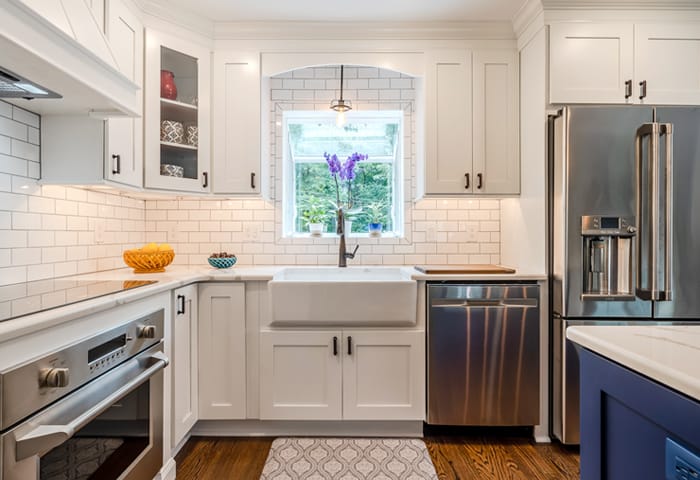
- Kitchen: Consider integrated appliances, slide-out spice racks, and continuous trim lines that match cabinetry.
- Basement: Use moisture-resistant plywood or cabinet-grade melamine; elevate toe-kicks off the slab when possible.
- Bathroom: Use water-tolerant finishes and plan for access to plumbing behind vanities.
Materials that hold up in Chester & Delaware Counties
Locally we deal with humid summers and cold winters, so material choice matters. Solid hardwood face frames and drawer fronts are durable but can expand and contract; select proper glue and allow for seasonal movement. For carcasses, 3/4" plywood is a higher-quality option than MDF for durability and screw-holding strength.
- Use cabinet-grade plywood for carcasses in high-moisture areas.
- MDF is fine for painted doors in low-moisture rooms but avoid in basements unless sealed and elevated.
- Choose finishes with good VOC ratings — we prioritize indoor air quality for our clients in Chester County.
Plan for lighting and wiring early
Built-ins look polished when lighting, outlets, and cable runs are integrated. Decide on task and accent lighting before construction so we can run wiring inside the wall cavities. Plan for plug placement at shelf height for chargers and streaming devices.
- Recessed puck lights or LED strips under shelves add depth and visibility.
- Include a couple of hidden outlets per cabinet run to avoid extension cords.
- Label circuits on your breaker box if you add new outlets — saves headaches later.
Trim, gaps, and built-in fit — the details that make them feel permanent
Homeowners often focus on the visible surfaces and forget the small details that make built-ins look custom: reveal gaps consistent with door edges, trim that ties into existing baseboards, and shadow lines between shelving and walls. We mock up key details on a site visit so expectations match reality.
Tip: A 1/8" reveal around removable panels makes cleaning and future service easy while looking intentional.
DIY vs. hiring a pro
If you’re handy, simple floating shelves or a shallow built-in bench can be DIY-friendly. But when the project involves electrical, plumbing, load-bearing changes, or a seamless integration with existing trim, call a pro. In Chester and Delaware Counties we often run into older homes with irregular studs and plaster walls — that’s where experience matters.
- DIY if: simple shelving, basic installation, no wiring/plumbing involved.
- Hire a pro if: hidden wiring, built-in appliances, structural changes, or precise finish carpentry is required.
Budgeting and timelines — realistic expectations
Custom built-ins can range from a few hundred dollars for basic shelving to several thousand for floor-to-ceiling, trim-matched units with integrated lighting. I always give clients a price range early and a clear scope: materials, finish level, hardware, and installation labor. Typical lead times for custom cabinetry in our area run 4–8 weeks for fabrication plus 2–5 days on-site for installation, depending on scope.
Working with Craftsworth Construction
At Craftsworth Construction we prioritize straightforward communication. If you live in Chester County or Delaware County and want a quick consult, we’ll come measure, give layout options, and talk material choices so you can compare costs. We handle permits if they’re needed and coordinate electricians or plumbers as part of the build.
A practical checklist before you commit
- Define the primary function and list the items you need to store or display.
- Measure twice: height, width, depth of the niche and the largest items.
- Choose materials for the environment (plywood for basements, painted MDF for dry rooms).
- Plan lighting, outlets, and ventilation early.
- Decide finish level: painted vs stain-grade and type of hardware.
- Get at least two contractor bids and check local references.
Final thoughts
Built-ins are a small remodel that delivers big returns in functionality and beauty. If you want a space that looks custom and functions for your family's daily life, start with the questions we talked through here. When you're ready to move from idea to plan, give us a call at Craftsworth Construction — I’ll come out, look at the space, and help you choose a practical, durable solution that fits life in Chester and Delaware County.