
Basement Bar Design Ideas for PA Homes
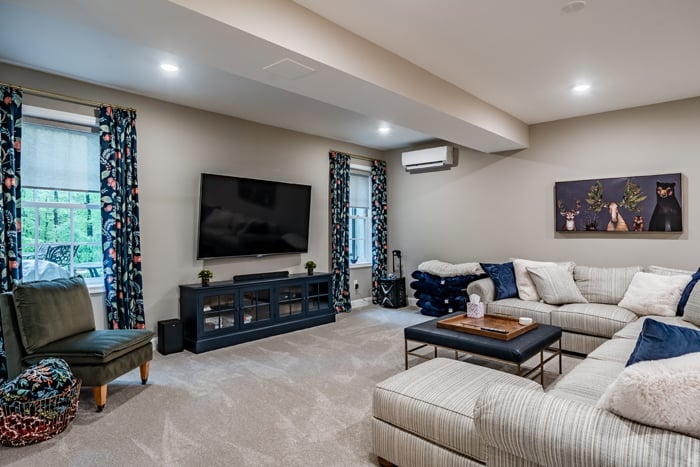
Why a basement bar makes sense in Chester & Delaware County homes
I’m Matt Morton, and after 15 years in the trades I can tell you a well-designed basement bar is one of the best ways to add usable living space and resale value to older homes around Chester and Delaware County. Basements here tend to be comfortable in size but come with unique challenges — low ceilings, humidity, and older plumbing — so planning up front saves time and money.
Decide what kind of bar you want
Start by defining how you’ll use the space. Are you building a dry bar for cocktails and storage, a full wet bar with sink and dishwasher, or a multi-purpose entertainment wall with a mini-fridge and kegerator? Your use case drives layout, plumbing, electrical and ventilation requirements.
Practical layout basics
Use these tried-and-true dimensions when sketching a plan:
- Bar counter height: 42 inches for bar seating; 36 inches for counter-height seating.
- Seating overhang: 12–15 inches over the cabinet face for comfortable kneespace.
- Bar depth: 24 inches for cabinets; 30–36 inches total if you need prep workspace behind the bar.
- Walkways: Minimum 36 inches behind the bar; 42–48 inches if people will be passing with trays or moving frequently.
- Stool heights: 30–32 inches seat height for 42-inch bars; leave 10–12 inches of knee clearance.
Sketch the bar at full scale on graph paper or tape it out on the floor to validate circulation and sightlines to your TV or entertainment area.
Plumbing and drainage: what to watch for
If your sink will be below the level of the main sewer line, you’ll likely need a sewage ejector pump. That’s common in many older Chester County homes. Also plan for a GFCI-protected outlet near the sink and consider an under-counter dishwasher or compact icemaker if you want more functionality. Always have a plumber or design-build contractor confirm line sizes and pump needs before you finalize placement.
Electrical and lighting: layers matter
Basement bars need layered lighting: general recessed lights, task lighting under cabinets, and decorative pendants over the seating area. For spacing, place recessed lights about every 3–4 feet, and hang pendants roughly 28–34 inches above the countertop. Plan dedicated circuits for refrigeration, undercabinet lighting, and any small appliances. All outlets near the wet bar should be GFCI-protected — your electrician will size circuits based on appliance loads.
Moisture control and HVAC
Humid summers in southeastern PA mean you should account for moisture. Install a dehumidifier or ensure your HVAC vents serve the lower level. Choose moisture-resistant materials: engineered hardwood rated for basements or luxury vinyl plank for flooring, and cabinets built from plywood rather than particleboard. If you’re seeing dampness or efflorescence, address waterproofing first — that’s not a cosmetic fix.
Material choices that last
For countertops, quartz and stainless steel are durable and low-maintenance; butcher block is warm but needs sealing and care. For cabinetry, opt for solid plywood boxes with durable finishes. Pick hardware and fixtures rated for humid environments. Avoid plain MDF or particleboard at the base; those materials swell when they get wet.
Smart storage and workflow
Think like a bartender: store frequently-used items within 18–24 inches of the prep area. Include space for glassware (open racks or dedicated cabinets), bottle storage (vertical racks or angled shelves), and a dedicated trash/recycling pullout. A shallow drawer for bar tools and a tray for napkins and mixers keeps the countertop clutter-free.
Ventilation and odor control
If you plan to install a kegerator or mini-grill, test ventilation needs. Even beer taps and ice machines produce moisture that benefits from some airflow. A small exhaust fan or a properly balanced HVAC register can prevent stale air buildup.
Budget categories and rough cost drivers
Break your budget into big-ticket items: plumbing/ejector pump, electrical upgrades, cabinetry and countertops, appliances, and finishes. In Chester and Delaware County, older homes often need unexpected structural or mechanical work — factor a contingency (10–20%) for surprises. If you’re on a tight budget, consider phased upgrades: build out a functional dry bar now, then add appliances or a sink later.
Permitting and code considerations
Most municipalities require permits for new plumbing and significant electrical work. If you’re in a township in Chester County or Delaware County, check your local building office or let Craftsworth Construction help navigate the permit process — it’s part of the design-build service we provide so you don’t get stuck with fines or failed inspections.
Working with a contractor: questions to ask
- Who will handle permits and inspections?
- Do you have experience with basement plumbing and ejector systems?
- Can you provide references from local homeowners in Chester or Delaware County?
- What moisture-control steps will you include (vapor barrier, drainage, dehumidifier)?
Final checklist before you start
- Confirm bar type (dry vs wet) and finalize footprint.
- Locate existing plumbing and electrical; note elevations for ejector needs.
- Choose durable materials for basement conditions.
- Plan layered lighting and dedicated circuits.
- Get a written estimate and permit plan from your contractor.
"A smart bar is about circulation and durability as much as style — plan for how you’ll use it every week." — Matt Morton
If you’re in Chester County or Delaware County and want a practical, built-to-last basement bar, Craftsworth Construction can help from concept to permit to finish. We build bars that work for real families—durable materials, correct plumbing, and lighting that sets the mood. Give us a call and we’ll walk your space and sketch options that match your budget and lifestyle.
Action step: Measure your proposed bar area, tape-out the counter and seating, photograph utility locations, and email those to your contractor before the first site visit. That pre-work saves hours and often uncovers key obstacles early.